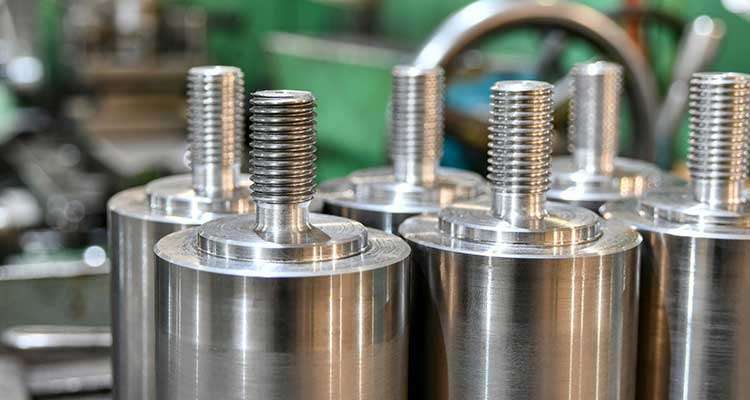
Today’s manufacturing world is based on precision engineering and the use of precision-engineered tools (for example, screw barrels) that are used throughout the manufacturing process across industries such as plastics, packaging, automotive, medical, and construction. The screw barrel is a critical component in many plastic processing machines, quietly affecting the efficiency, quality, and productivity of the finished product.
As the demand for high-performing plastic products continues to grow, there is a need for high-quality, reliable, and high-precision screw barrels. India has become the world’s leading advanced manufacturing hub and is now home to many companies recognised around the world as screw barrel manufacturers in India that serve both the domestic and international markets.
Ahmedabad is one of the leading industrial cities in India and has become a manufacturing ecosystem where companies around the world are increasingly turning to a twin screw barrel manufacturer in Ahmedabad for technology-enabled and cost-effective solutions.
This blog will take you through screw barrels, their role in modern manufacturing processes, why India is becoming a leading manufacturing hub, and how screw barrel manufacturers in India and exporters of screw barrels are influencing the global plastic processing industry.
Understanding the Role of Screw Barrels in Plastic Processing
Understanding the function of screw barrels in plastic processing equipment like extruders and injection moulding machines is important to understanding the role that they play in plastic processing.
A screw barrel assembly typically has two main parts:
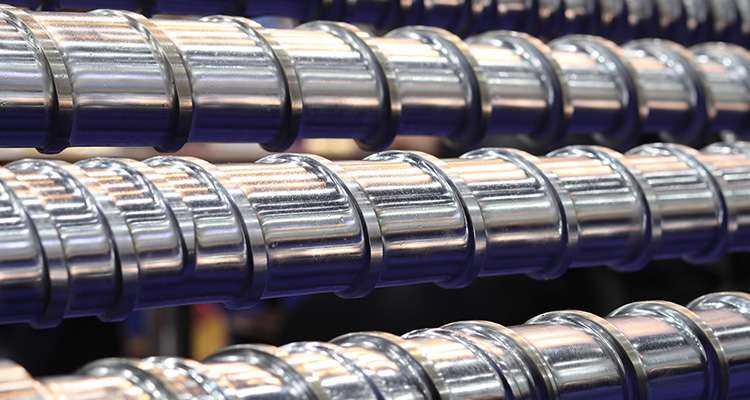
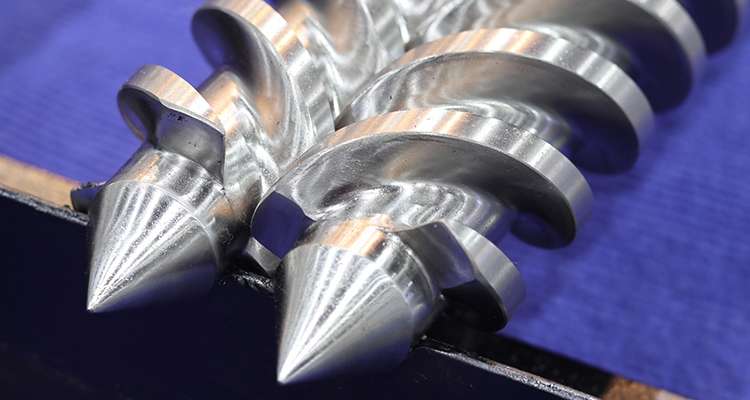
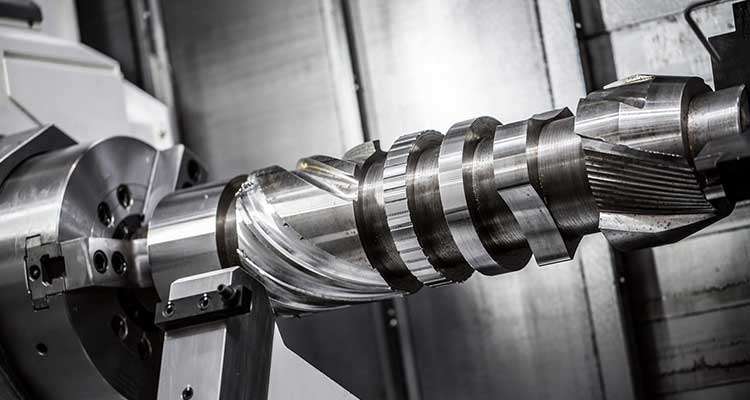
- The screw, which is a rotating shaft with helical flights, moves raw materials and combines them together.
- The barrel, which is the cylindrical housing that holds the screw and provides the environment (temperature and pressure) needed to process the materials.
These two parts work together to do many essential tasks.
- Melt plastic resins
- Mix in other additives or fillers
- Convey products through the machine
- Build pressure for shaping or extruding
- Produce products of consistent quality
Manufacturing processes would be extremely difficult to maintain quality if screw barrels are not engineered properly, resulting in inconsistency, defects, wasted time and materials, and higher manufacturing costs.
Because of these issues, finding a reliable screw barrel manufacturer in India is critical for any company utilising plastic processing equipment.
Looking to Improve Efficiency & Product Quality?
Partner with a reliable screw barrel manufacturer in India to transform your manufacturing operations with precision-engineered components.
Types of Screw Barrels Used in Modern Manufacturing
Screws and barrels come in many forms; there are also many types of specifications for the design of screw/ barrels. Each of these specifications is geared toward either a single industrial application or a set of applications, each of which requires a unique design to be run at optimal conditions.
Below is an example of two different screw/barrel specifications used in the plastic extrusion industry:
- Single Screw Barrel
The single screw barrel is used in numerous plastic extrusion applications, including:
- Pipe extrusion
- Film extrusion
- Sheet extrusion
- Recycling systems
These applications often require the use of a simple, reliable, and economical system.
- Twin Screw Barrel
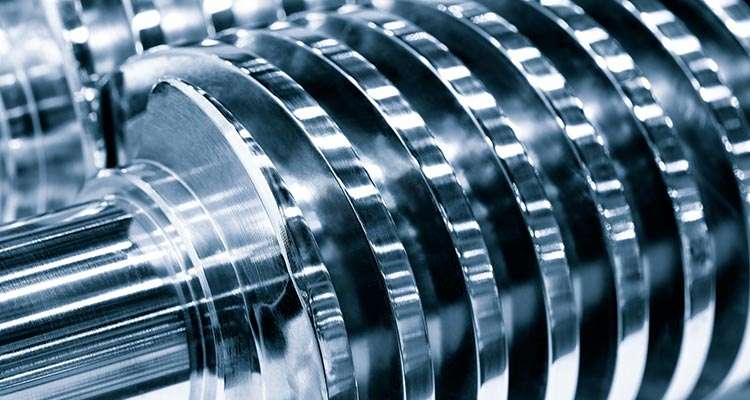
The twin screw barrel is a much more sophisticated type of barrel that has many more features (and capabilities) than the single screw barrel. Typical examples of uses for twin screw barrels being manufactured in Ahmedabad would be:
- Compounding of polymers
- Processing of engineering plastics
- Blending of additives and fillers
- Creation of speciality plastic products
The twin screw barrel has several advantages over the single screw barrel:
As a result of the many benefits of the twin screw design and the increasing demand for more advanced technology for complex plastic formulations, industries are continuing to turn to twin screw technology.
Want to Explore High-Performance Twin Screw Technology?
Discover the advantages of partnering with a leading twin screw barrel manufacturer in Ahmedabad to enhance productivity, material blending, and product consistency.
Why India Is Emerging as a Global Screw Barrel Manufacturing Hub
In the last twenty years, India has embraced the development of many successful manufacturing companies that have established India as a major manufacturing hub. There are many companies recognised as screw barrel manufacturers in India & exporters of screw barrels that are now supplying to customers all over the world in Asia, Europe, Africa, and the USA.
There are several reasons for the significant growth of these manufacturing companies around the world.
- Advanced Manufacturing Infrastructure
Indian manufacturers have made huge investments in:
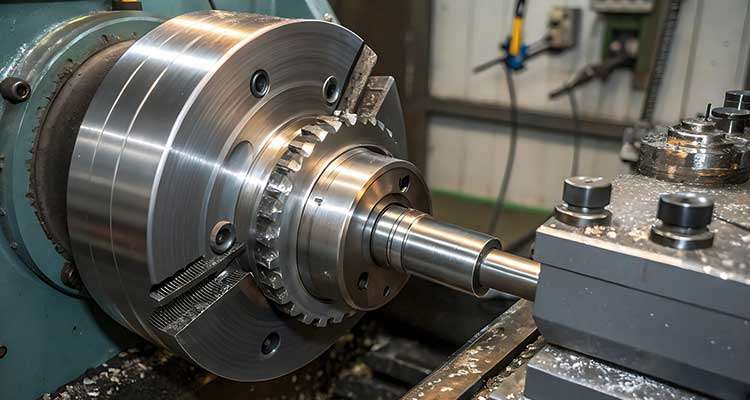
- CNC machining centres
- Precision grinding equipment
- Metallurgical laboratories
- Surface finishing technologies
These capabilities enable Indian manufacturers to produce a very precise screw barrel and provide excellent durability.
- Skilled Engineering Workforce
India has an abundance of qualified mechanical engineers, metallurgists and skilled craftsmen who specialise in the precision engineering and industrial manufacturing areas of the screw barrel industry.
The technical skills of these engineers and skilled craftsmen are employed by manufacturers to continuously develop new ways to improve design and continually innovate in the production of screw barrels.
- Competitive Production Costs
One of the significant advantages of working with a screw barrel manufacturer in India is the ability to produce world-class quality screw barrels at a competitive price.
Because of this competitive pricing, many international buyers find that the quality produced by Indian manufacturers provides an excellent value proposition for international buyers looking for value for money without sacrificing performance.
- Strong Export Capabilities
Most of the manufacturers have developed some impressive logistics and exporting processes, which allow them to be excellent and reliable exporters of screw barrels to customers in the global marketplace.
Want to Source Globally Trusted Engineering Components?
Join manufacturers worldwide who rely on screw barrel manufacturers in India & exporters of screw barrels for reliable, high-performance components.
Ahmedabad: A Rising Industrial Powerhouse
Ahmedabad is a city in Gujarat (State of India) that is noted as one of the leading industrial centres in India, with a great reputation in the areas of engineering and manufacturing.
The following components are available from a twin screw barrel manufacturer in Ahmedabad‘s ecosystem:
- Engineering clusters
- Industrial suppliers
- Skilled workers
- Exporting infrastructures
- Advanced tools facilities.
Ahmedabad has gained favourable recognition for providing high-quality machine components used in plastic extrusion, injection moulding, and polymer composite products.
Due to these industries, a number of foreign manufacturers have partnered with companies located in Ahmedabad to manufacture parts for long-term production.
Want to Partner with Ahmedabad’s Engineering Excellence?
Work with a trusted twin screw barrel manufacturer in Ahmedabad and gain access to cutting-edge engineering expertise and dependable global supply.
Key Materials Used in Screw Barrel Manufacturing
Manufacturers can produce screw barrels that will last long and work well because the type of material they use to make them is critical to the life and performance of the screw barrel.
In India, professional screw barrel manufacturers only use modern alloy steels that provide high resistance against wear, high pressure, and high temperatures.
Some examples of these materials include:
- Nitriding steel
- Tool steel alloys
- Bimetallic barrel materials
- Corrosion-resistant alloys
- Surface treatment technologies
The most common methods to enhance durability include:
- Gas Nitriding
- Induction Hardening
- Bimetallic lining
- Tungsten Carbide Coating
These processes enhance the screw barrel’s resistance to abrasions, corrosion, and high-temperature stresses.
Want to Invest in Long-Lasting Screw Barrels?
Choose a screw barrel manufacturer in India that uses premium materials and advanced surface treatments for maximum durability and efficiency.
Custom Screw Barrel Solutions
All manufacturing methods will present their own unique set of requirements.
This is the reason most companies like to deal with a custom-designed twin screw barrel product manufacturer based out of Ahmedabad, India.
Custom-engineered solutions may include structures such as:
- Special screw geometries
- Customised compression ratios
- Unique mixing element designs
- Material specific to your application
Custom-designed components enable manufacturers to optimise their processes to develop better products.
Quality Control & Testing
Screw barrel manufacturers in India have a rigorous set of quality control protocols.
Quality Control protocols will generally consist of:
- Inspection of raw materials
- Dimensional accuracy
- Hardness testing
- Ultrasonic inspection
- Verification of surface finish
The above outline of testing will provide evidence that the screw barrel meets the International standards for manufacturing and performs appropriately in a very demanding environment.
Looking for Quality that Ensures Your Trust
Choose experienced exporters of screw barrels that follow strict quality control and international manufacturing standards.
Conclusion
In the plastic processing industry, screw barrels are considered the unsung heroes of the manufacturing world. They help to turn the raw material into melted plastic and produce a consistent and accurate end product. Without screw barrels, much of today’s manufacturing equipment would cease to function.
With world-class engineering, competitive manufacturing conditions, and burgeoning export capabilities, India has become a global frontrunner in screw barrel manufacturing.
No matter if you are searching for a reputable screw barrel manufacturer in India, a specialised twin screw barrel manufacturer in Ahmedabad or a trusted screw barrel exporter, Indian manufacturers have the latest technologies, custom solutions, and superior engineering solutions available.
As industries continue to change and develop, collaborations with cutting-edge screw barrel makers will remain critical for reaching efficiency, sustainability and continued success over time in production.