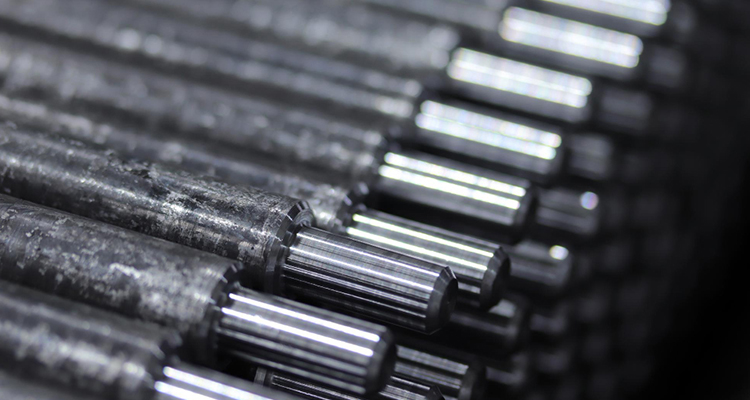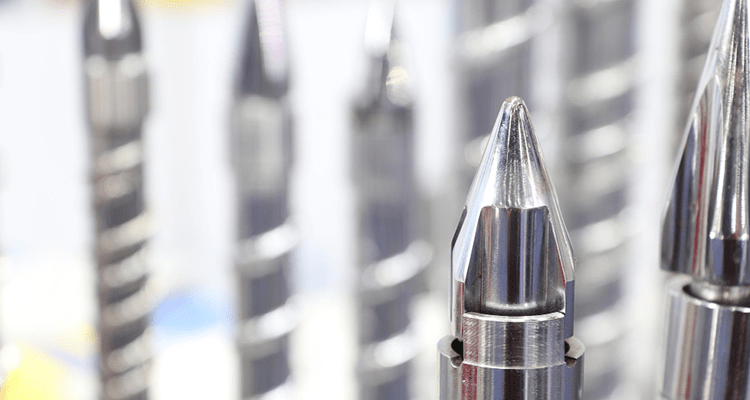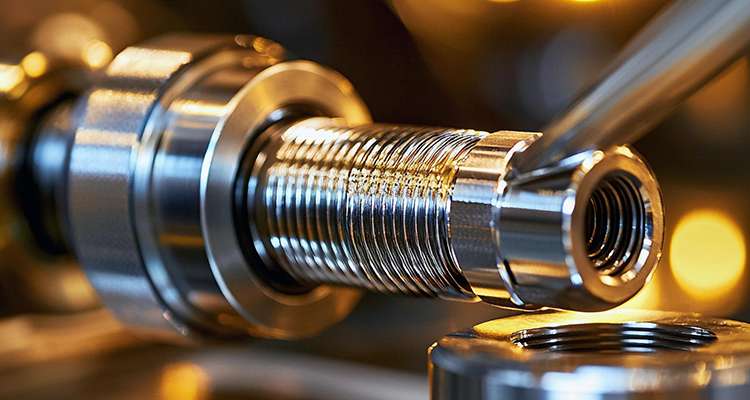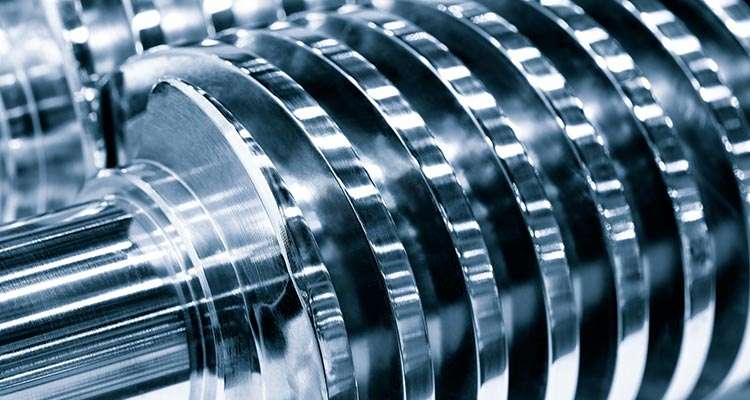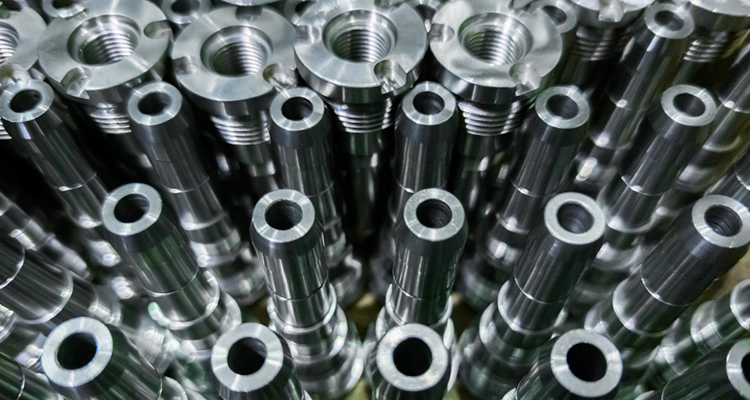
Plastic processing injection heads with shut-off nozzles manufactured by Shreeji Corporation

The Secret to Smoother Plastic Processing Starts with the Right Injection Head

The Secret to Smoother Plastic Processing Starts with the Right Injection Head

It’s easy to overlook the injection head when you’re looking at an entire plastic processing machine. It’s a relatively small component, but it sits at an important point in the process, where the molten plastic has to move from the plasticizing barrel into the mold smoothly and consistently. Get the plastic processing injection head wrong, and problems can start showing up in places you may not immediately connect to it. So, what should you actually look for when choosing one? Let’s break it down.

What does the injection head actually do?

To put it in plain words, the key function of an injection head is to connect the plasticising barrel to the mould and provide the passage through which molten plastic is delivered. But its job doesn’t end here. Its real contribution surfaces when the melted material reaches its head, and it has to deliver that melt into the mold in a controlled and repeatable way.

This is particularly important in high-volume production, where even small inconsistencies can show up across thousands of cycles. That’s also why the components working before the injection head matter, particularly the screw and barrel that prepare and move the melt forward. You can read more about the role of screw barrels in plastic processing.

If a plastic processing injection head is well designed, it will seamlessly process a more controlled material path while supporting consistent pressure and flow. Moreover, it can also reduce issues such as melt drooling or stringing when a shut-off design is used.

Shreeji Corporation manufactures both standard injection heads and injection heads with shut-off nozzles, allowing the configuration to be selected according to the machine and application. Its injection heads are manufactured from EN41B and gas nitrided for a surface hardness of 65–68 HRC, with diameters available from 14 mm to 200 mm.

Why does the injection head matter more than assumed?

When you think about the entire plastic processing, the importance of an injection head starts making more sense. Think about it. When the screw and barrel prepare and push the material forward, the injection system has to build and deliver the required pressure. While the moulds then receive that material and form it into the required part.

The injection head sits right in the middle of that handover, performing as the bridge. 

If its dimensions, flow path, surface condition, or shut-off mechanism are not suited to the application, the problem may not always appear as an obvious component failure. Instead, it can show up as inconsistent filling, material leakage, stringing, pressure-related variation, or more frequent maintenance.

That is why replacing an injection head should not simply be a matter of finding one that fits the machine.

What Should You Look for When Choosing an Injection Head?

One shouldn’t presume an injection head is one-size-fits-all. The easiest way to get clarity on your purchasing choice is to have a checklist with crucial factors to consider. Don’t forget to include these: 

Material Being Processed
Different polymers and formulations can place different demands on the flow path and component surfaces. Filled or abrasive materials, for example, may require greater attention to wear resistance.

Machine and Mold Compatibility
Dimensions, connection details, flow requirements, and the machine’s configuration all do matter. A technically good component is still the wrong one if it does not match the machine properly.

Surface Hardness and Wear Resistance
The plastic processing injection head repeatedly comes into contact with molten polymer and operates under demanding processing conditions. Over time, surface wear can affect performance and dimensional accuracy.

This is where manufacturing and surface treatment become important. The goal isn’t simply to make a harder component. It is to create an injection head that can maintain its functional surfaces and dimensions through repeated production cycles.

What could go wrong if the injection head isn’t right?

The aftermath of placing an unfit injection head comes into play sooner or later. You will see signs like material drooling from the nozzle, stringing when the nozzle retracts, inconsistent material delivery, or increasing maintenance requirements. Sometimes, symptoms are so subtle that operators compensate by adjusting processing parameters, increasing inspection frequency, or repeatedly adjusting the machine to keep production within acceptable limits.

The machine may technically still be running, but the process is no longer as predictable as it should be.

And in a production environment, predictability matters. A component that helps maintain consistent flow and reliable shut-off can have an impact beyond the component itself, particularly when the machine is running continuously.

The final word

At the end of the day, a plastic processing injection head is not just about getting the right size or making it fit the machine. It’s about how well it handles the material, pressure, and demands of your actual process. Get those things right, and you have one less component working against your production.

That’s where Shreeji Corporation comes in, manufacturing standard and shut-off injection heads with precision, durability, and application-specific requirements in mind. Looking for the right injection head for your machine? Talk to Shreeji Corporation about your requirements.
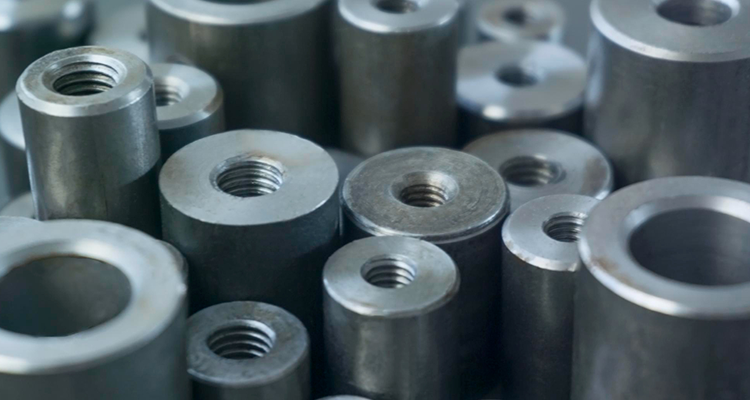
Nitrided and bimetallic screw barrels manufactured by Shreeji Corporation in Ahmedabad

Nitrided vs Bimetallic Screw Barrels: How to Choose the Right One 

Plastic processing machinery manufacturers who take the difference between nitrided and bimetallic screw barrels lightly often realise their mistake later, when the wrong choice starts affecting machine performance and leads to unnecessary wear and degradation.

It’s easy to think of a screw barrel as just another small part of a machine. But in reality, even these seemingly minor components can have a big impact on how the entire machine performs. That’s why choosing the right screw barrel is important,not just based on the price, but on what actually suits your application.

The problem is, many screw barrel manufacturer in India don’t really explain where nitrided and bimetallic screw barrels differ, or which one makes more sense for a particular application. This often leaves manufacturers with incomplete information and, eventually, a choice based more on guesswork or budget than facts.

So, let’s clear up some of the things that are often overlooked when choosing between nitrided and bimetallic screw barrels,and look at a few practical points you should know before making the decision.

Nitrided Screw Barrel and its limitations

Nitriding is the process of hardening a metal surface by exposing it to nitrogen through heat treatment for 72 hrs.  This creates a case-hardened surface that protects metal from corrosion and abrasion for longer than expected.

Using this phenomenon, high-performance nitriding barrels are fashioned, which are cost-effective and can be utilised for general-purpose resins.

The material and process specifications can vary between manufacturers, which can directly influence the barrel’s service life. For instance, Shreeji Corporation manufactures nitrided barrels using EN41B steel, with gas nitriding treatment producing a hardness level of around 62-65 HRC, a combination that delivers a durable, wear-resistant surface for reliable performance. 

However, there is a certain limitation to which a nitrided screw barrel can suffice for the required level of resistance. For instance, high abrasive fillers like glass fibre, calcium carbonate and mineral fillers can wear through the nitrided surface, exposing the soft base steel that can be easily eroded.

Many Nitrided screw barrel manufacturers in India rarely quantify the logic that nitriding doesn’t mean that the coating of resistance may last forever.

What Bimetallic Barrels Change?

Unlike nitrided barrels, bimetallic barrels aren’t just a result of surface treatment producing a coating.

Instead, they‘re a wear-resistant alloy, created by centrifuging metal combinations like nickel-chromium or tungsten carbide and casting as a lining fused to the steel shell, typically 1.5 mm to 3 mm thick. 

Processing abrasive or corrosive materials? Choose a bimetallic barrel engineered for the job. Explore Shreeji Corporation’s alloy options.

Consequently, these aren’t harmed easily when working with PVC compounds or flame retardants. It’s also important to note that if the surface of the nitrided layer is gone, so is the barrel’s capability to withstand corrosion. This wouldn’t be the case if the same happens to bimetallic barrels; they will still retain a substantial wear -resistant alloy layer and withstand longer use.

Hence, it can be concluded that the role of bimetallic screw barrels in abrasive plastic processing is much more significant than that of nitrided screw barrels

Higher Cost of Bimetallic Screw is Unjustified in a Few Cases 

A bimetallic barrel costs more upfront. That is not a secret.

The better question is whether the additional investment reduces the costs that come later, like unplanned downtime, replacement, maintenance, inconsistent output and dimensional changes caused by barrel wear.

The Manufacturer Matters as Much as the Metallurgy

Wear resistance is only as good as the manufacturing behind it, which is why the choice of supplier matters nearly as much as the metallurgy itself. Working with an established bimetallic screw barrel manufacturer in Ahmedabad means getting a configuration built around actual process conditions, not a catalog part pulled off a shelf.

Want to go deeper on matching configuration to material? Our guide on choosing the right twin screw barrel manufacturer in Ahmedabad for your plastic processing application  covers it in more detail.

If output has been dropping and the machine keeps checking out fine on paper, get in touch with Shreeji Corporation, a bimetallic screw barrel manufacturer in Ahmedabad. We’ll help confirm whether wear is the actual cause and recommend the right setup before it costs another production run.
Reach out to our team today for expert guidance in selecting the right components for your specific manufacturing needs.

As the screw barrel wears, the working clearance can change. That can affect pressure stability, melting, mixing and output consistency. For a low-wear application, paying for a premium barrel may not deliver enough additional value.

For an abrasive, high-volume application, however, the calculation can look very different.

Higher HRC does not always equal higher performance

If a screw barrel manufacturer offers a product with high HRC, it’s conventionally assumed that it’s better than one with lower HRC. However, that isn’t always the case. 

A bimetallic barrel may have a lower stated surface hardness than a nitrided barrel, but can still deliver better efficiency in a particular application. This is because its internal alloy layer is specifically engineered for abrasion and corrosion resistance.

So while purchasing an optimal screw barrel, one shouldn’t only refer to HRC, but also material compatibility with the polymer, filler and operating conditions, something that any screw barrel manufacturer in India wouldn’t convey directly to consumers. 


How to Make Sure You’re Buying the Right Barrel?

Nitrided and bimetallic barrels each have their place. However, the right choice depends on your material, operating conditions and expected barrel life. Before making the decision, check these key factors:

Match the Barrel to your actual filler percentage: Guesswork doesn’t land well. If you’re running abrasive material, bimetallic is worth it. If it’s unfilled or lightly filled, nitrided does the job for far less. Know your real mix before you decide, not after.

If you’re going Bimetallic, get the alloy and lining thickness in writing. A sales call promising a “premium lining” means nothing once the barrel’s on your machine. It needs to be on the drawing, not just in conversation.

Ask for a hardness test report before you commit. This is the one document that proves a bimetallic barrel is actually built the way it’s being sold, not just called bimetallic.

Ask what the 3–5x lifespan claim is based on. If a supplier quotes that number without saying what filler percentage it was tested at, ask. Your actual gain could be far smaller if your material doesn’t match their example.

Check the lead time against your maintenance window. Bimetallic barrels take longer to cast than nitrided ones. If the quoted timeline is identical for both, something in the process was likely shortened.

The Final Word 

Making the right choice between nitrided Screw and bimetallic screw can be overwhelming, especially if you do not have an experienced screw manufacturer guiding you right. That’s where Shreeji stands out from the rest. If you want to make a smart decision, instead of a convenient one, get in touch with Shreeji Corporation. We can evaluate what type of barrel is the perfect match for your industrial needs and ensure your investment is headed on a success curve.

Worn screw and barrel assembly showing internal wear in a plastic injection molding machine

Your Machine Is Fine. So Why Is Production Falling

Output begins to falter, and the machine passes all the tests conducted by the maintenance team.  So the plant manager looks everywhere except the one place worth checking! First, it is assumed that there is something wrong with the resin batch, then the operator’s mistakes, and finally, those who performed the previous preventive maintenance cycle.

Almost nobody thinks about opening the barrel in search of the reasons behind falling productivity. 

Most injection molding facilities have experienced a phase similar to this. The screw and barrel experience the biggest workload in the machine and receive the least amount of care, especially when they are still under pressure. Usually, the problem comes to light after communication with a bimetallic screw barrel manufacturer in Ahmedabad.

The Part That Wears

Each shot involves forcing the molten plastic through the screw and barrel under friction and pressure. With each shot, this process slowly wears off the inner surfaces of the screw and barrel. And when the time comes, the screw will fail to provide the initial pressure or will be unable to move the material as needed.

Usually, the signs do not lead directly to the problem with the barrel. Increasing cycle times, inconsistent shot weights, rising scrap production without any apparent reason, fluctuating melt temperatures in spite of perfectly good heaters.

This list does not point to the barrel problem during a routine inspection of the machine, which is the core of the issue. By the time the problem is detected, productivity has already been affected negatively, and someone is explaining the situation in a production meeting.

Why the Wear Is Unpredictable

There are several factors influencing wear of the screw and barrel, but the most crucial of them is the material that passes through the screw-barrel assembly regularly.

Glass-filled resins, mineral fillers, and corrosive additives accelerate the process of wearing off the surface layer much faster than the majority of processors expect.

In case of a standard nitrided barrel, such wear occurs rather quickly. Nitriding creates a hardened diffusion layer on the surface of the screw or barrel, providing good wear resistance for many conventional processing applications. However, this hardened layer has a finite depth. Once significant wear penetrates beyond that layer, the underlying material becomes much more vulnerable to further wear. 

But in case the layer of hardening wears off, the wear accelerates drastically.

Don’t let abrasive and corrosive materials shorten the service life of your screw-barrel assembly. Choose the right hardening and wear-resistant solution for your application. 

Where Bimetallic Construction Earns Its Cost

Plants running abrasive or corrosive material as a regular part of the mix tend to see a bimetallic screw and barrel hold up on a completely different curve. The alloy liner is metallurgically bonded through the bore rather than treated at the surface, so the wear resistance goes far deeper than nitriding can reach. This is the exact configuration a bimetallic screw barrel manufacturer in Ahmedabad like Shreeji builds around, matched to the specific resin and filler load a plant is actually running.

On the floor, that means the screw keeps its pressure and conveying rate steady over a much longer operating window, with fewer of those unexplained output drops tracing back to wear nobody caught in time.

Four Checks Before You Blame the Machine

If output has been sliding, run through these before touching anything else: compare current cycle times against the baseline from when the unit was new, track shot weight consistency across a full run, pull the screw and inspect the feed, compression, and metering zones for visible wear, and review what materials have actually gone through the unit over its service life.

If wear is confirmed, the fix is almost never a full machine overhaul. More often it just means matching the screw and barrel configuration to the material being processed today, not whatever the line was specced for years ago.

The Manufacturer Matters as Much as the Metallurgy

Wear resistance is only as good as the manufacturing behind it, which is why the choice of supplier matters nearly as much as the metallurgy itself. Working with an established bimetallic screw barrel manufacturer in Ahmedabad means getting a configuration built around actual process conditions, not a catalog part pulled off a shelf.

Want to go deeper on matching configuration to material? Our guide on choosing the right twin screw barrel manufacturer in Ahmedabad for your plastic processing application  covers it in more detail.

If output has been dropping and the machine keeps checking out fine on paper, get in touch with Shreeji Corporation, a bimetallic screw barrel manufacturer in Ahmedabad. We’ll help confirm whether wear is the actual cause and recommend the right setup before it costs another production run.

Reach out to our team today for expert guidance in selecting the right components for your specific manufacturing needs.

Conical and parallel twin screw barrel configurations manufactured by Shreeji Corporation

Twin Screw Barrel: Conical vs. Parallel, Stop Guessing

Twin Screw Barrel: Conical vs. Parallel, Stop Guessing

Ask three plant engineers which twin screw barrel configuration performs better, conical or parallel, and you’ll likely get three different answers. Most of them will be based on habit rather than the actual demands of the application. These two twin screw barrel designs aren’t interchangeable, and the choice between them affects pressure buildup, wear rate, and output more than most buyers realize before they order.

The Structural Difference

The parallel twin screw barrel has a consistent diameter throughout the barrel with both screws placed alongside each other at an equal center distance, while a conical twin screw barrel has a decreasing screw diameter starting from the feed to the discharge end of the barrel, with a variable center distance for the two screws.

This variation does not affect aesthetics alone since it impacts how the materials are compacted, how the pressure is developed within the barrel, and wear and tear of the screws.

The wrong twin screw barrel choice costs more in downtime than it saves upfront. Talk to Shreeji Corporation’s Engineering Team before you specify.

Where Each Twin Screw Barrel Performs Better

Conical barrels build pressure more aggressively because of their tapered shape. This makes them well suited to PVC and other heat-sensitive materials, where gradual, controlled compression matters more than raw throughput. Rigid PVC pipe and profile extrusion commonly favor conical twin screw barrel configurations for exactly this reason.

By contrast, parallel barrels run at a constant diameter and typically operate at higher speeds with more flexibility in screw design. This makes them a stronger fit for high-output compounding, masterbatch production, and processing engineering plastics, where consistent, high-volume throughput matters more than the gradual compression a conical taper provides.

The Wear Trade-Off Nobody Mentions Upfront

Here’s the part that often gets left out of the sales conversation. Because a conical screw’s diameter changes from end to end, and because it typically operates under higher pressure, it tends to wear faster than a parallel screw running the same material over the same period. Industry analysis of extrusion wear patterns has noted that as the gap between screw flights and barrel increases due to wear, output correspondingly decreases, regardless of which twin screw barrel configuration is in use. The difference is how quickly each design reaches that point. 

That means the barrel with the better upfront processing fit for your material isn’t automatically the barrel with the lower long-term maintenance cost. A conical barrel might process PVC more effectively today and still need replacement sooner than a parallel barrel handling a less demanding compound.

Choosing the Right Twin Screw Barrel for Your Material

There are really only three issues that must be addressed before making any choice: what type of material will be processed, and how heat sensitive is it? What is the required output volume? And how does your maintenance schedule prioritize processing efficiency versus screw wear?

Make wrong assumptions on any one of these, and the result will be one of two things. Either the twin screw barrel will fail to perform properly when processing your material, or it will wear down much faster than your maintenance budget expected it would.

Getting the Match Right

This is exactly the kind of decision that benefits from working with a manufacturer who asks about your material and output requirements before recommending a twin screw barrel configuration, rather than defaulting to whichever one is easier to produce. We’ve covered the durability side of this decision in more depth in our piece on the importance of quality in twin screw barrel manufacturing, which looks at how material selection and precision machining affect service life regardless of configuration.

Talk to Us Before You Order

If you’re weighing conical against parallel for an upcoming production line, don’t leave it to habit or a generic spec sheet. Share your material, output targets, and production conditions with our team, and we’ll help you work through which twin screw barrel configuration actually fits, not just which one sounds right. Get in touch with Shreeji Corporation to discuss your twin screw barrel requirements before you commit to an order.

Precision-engineered plastic processing injection head manufactured by Shreeji Corporation Gujarat

How to Improve Quality and Efficiency with the Right Injection Head

In plastic processing, every component in the production system has an impact on the quality of the output produced. While machines, materials, and other factors play an important part in the final product, it is the performance of individual components that can make a big difference.

Injection Head is one of such components that can help improve the efficiency of the operations and ensure reliable performance.

Getting the right Injection Head is necessary for manufacturers striving to achieve higher production efficiency and consistency.

Choosing the right injection head according to the requirements of each business engaged in different polymers and applications helps to obtain better results.

How Does an Injection Head Work and Why Is It Important?

The Injection Head is the component responsible for controlling and guiding the flow of material during production process. Its quality determines certain factors such as material distribution and overall machine performance.

Having a good injection head design helps to perform smooth manufacturing operations providing consistent material flow and reducing disruptions in the process of production. It is particularly important for companies that deal with high-volume production when even small deviations may affect production and product quality.

Alongside the use of reliable Plastic Processing Machinery, a good injection head helps to increase the efficiency of operations and improve performance.

Improve Your Production Efficiency with the Right Injection Head

1. Ensures Product Consistency

The consistency of products is one of the most important concerns of manufacturing processes of plastic products.

Any deviations in the flow of material, pressure, or processing conditions may cause defects, uneven output, or inconsistency in the size of product. Good design of the Injection Head helps to keep the stable process of material processing and allows obtaining better results.

Better consistency means:

  • Less product deviations
  • More precise quality control
  • Reduced rejections
  • Higher customer satisfaction

When it comes to industries where precision is crucial, it is very important to invest in quality components..

2. Increases Production Efficiency

Efficiency and increased productivity are the aims of every manufacturing business. The right Injection Head can help to perform the manufacturing process smoothly helping to avoid interruptions in production and material processing.

With the help of a reliable injection head, manufacturers can:

  • Perform the process continuously
  • Reduce the number of problems related to processing
  • Increase machine utilisation
  • Achieve higher efficiency levels

Efficiency and increased productivity are the aims of every manufacturing business. The right Injection Head ensures smoother processing, reduces interruptions, improves machine utilisation, and helps achieve higher output.

Component durability also plays an important role in manufacturing efficiency. Learn how surface treatments like nitriding improve wear resistance and support sustainable operations in our blog: Saving Energy, Helping the Earth: How Nitriding Makes a Big Difference.

3. Get the Proper Design According to the Application

Every plastic processing application has certain needs. Such factors as material, production volume, machine setup, and product specification determine which Injection Head should be used.

When selecting an Injection Head, manufacturers need to take into account:

  • Type of polymer
  • Operating conditions
  • Production capacity
  • Compatibility with the machine
  • Maintenance requirements

Designing the solution according to the application requirements allows achieving better performance, reliability, and longer component lifetime.

4. Quality Manufacturing Ensures Reliable Operation

The performance of the injection head largely depends on its quality. Precise manufacturing, exact dimensions, and quality materials help to ensure the reliable operation under difficult manufacturing conditions.

Companies experienced in manufacturing understand the problems that plastic processing industries face and manufacture the components able to stand continuous industrial use.

One of the trusted Screw Barrel Manufacturers in Gujarat uses its manufacturing experience to create components that help to perform efficient plastic processing operations.

Quality manufacturing helps to eliminate unexpected failures and ensure stable production.

5. Minimizes Maintenance Problems

Interruptions of the manufacturing process cost money for every manufacturing company. Poor-quality components may require frequent maintenance causing unexpected disruptions.

Good design of the Injection Head helps to increase reliability and reduce the possibility of regular production problems. Regular inspection and maintenance help to extend the lifespan of the component and ensure stable performance.

Proper maintenance includes such procedures as:

  • Regular cleaning
  • Checking for wear
  • Monitoring performance changes
  • Following manufacturer’s recommendations

The combination of quality components and maintenance helps manufacturers to achieve better productivity in the long run.

Need Help with Components Selection?

The selection of appropriate equipment components can be difficult without the guidance of specialists.

Our team can help to identify the proper solution for your machine and production needs.

Why Is It Important to Choose the Right Injection Head Manufacturer?

Selection of the right Injection Head Manufacturer is not just about the selection of a component. It is about cooperation with the company that knows your production needs and offers solutions tailored for long-term work.

When looking for the best Injection Head Manufacturer, it is necessary to take into account such aspects as:

  • Precision manufacturing capabilities
  • High quality standards
  • Application-specific solutions
  • Technical knowledge
  • Customer support

The right manufacturing partner will make sure that the injection head is made specifically for your machine and meets all of your requirements.

With years of manufacturing experience and knowledge of the industry, Shreeji helps manufacturers to improve efficiency, reduce disruptions, and achieve better production results.

Increase Your Plastic Processing Performance with Shreeji Corporation

The right Injection Head can bring a big improvement to product quality, efficiency, and productivity. Using quality components designed and manufactured by experienced companies allows manufacturers to have smooth production, reduce interruptions, and get better results. Whether you need to upgrade your system or purchase new Plastic Processing Machinery, Shreeji provides reliable solutions that help to meet the demands of modern manufacturing.

Choosing the right Injection Head is essential for achieving consistent quality, efficient processing, and long-term machine performance. With Shreeji’s precision-engineered solutions, manufacturers can optimise their operations and stay ahead in a competitive industry.

Get in touch with our team and discover precision-engineered solutions designed to improve your plastic processing efficiency and performance.

The Importance of Quality in Twin Screw Barrels Manufacturer in Ahmedabad

The Importance of Quality in Twin Screw Barrels Manufacturer in Ahmedabad

In an industrial world that is rapidly changing, precision engineering has become extremely important for creating efficient, productive and long-lasting manufacturing systems. Of the many components that are needed to make machines work properly, twin screw barrels are the most important components in an industrial machine; in fact, they are the backbone of an extrusion process used throughout all industries, including plastics, food processing, pharmaceutical and chemical manufacturing; therefore, to have successful manufacturing processes, it is critical to find a reliable twin screw barrels manufacturer in Ahmedabad. Choosing the right supplier is not only a business decision; it’s also an investment of sorts as it will impact the overall quality and performance of your business, and in turn, your ability to succeed in the future.

Ahmedabad is considered one of India’s largest industrial hubs, and has a reputation within the engineering industry for producing the highest quality engineering solutions. This city contains some of the top names in the engineering industry, including several of the largest producing, exporting and supplying screw barrels, and many of these companies serve both domestic and international customers. However, what sets these manufacturers apart from others is their commitment to quality.

Let’s take a closer look at the importance of quality when manufacturing twin screw barrels and how selecting the right manufacturer can improve your operation.

Why Quality Matters in Twin Screw Barrels

  1. Improved Durability & Longevity

Quality twin-screw barrels are built tough, using the highest grade materials, plus advanced heat treatment. These characteristics help give the barrels exceptional resistance to wear-and-tear from extrusion processes; plus they resist corrosion due to chemical exposure; and they’re able to withstand extreme heat.

Conversely, if you use a low-quality barrel, it will typically break down very quickly, resulting in you having to replace it often and incur increased costs due to higher levels of maintenance.

  1. Precision Engineering for Repeatability of Output

Uniformity of output is critical in manufacturing. As a result, quality twin screw barrels will provide a consistent flow of materials (no variances) through the barrel and ensure proper mixing every time, producing an exact amount of final product each time. This is particularly important within the pharmaceutical and food manufacturing processes.

  1. Improved Energy Consumption

Twin screw barrels are engineered to minimise friction and analyse heat transfer (at the very least), which will help reduce energy consumption over time by reducing overall usage and ultimately result in lower costs, of course, and thus also help reduce your carbon footprint.

Want to Cut Down Operational Costs & Boost Productivity?

Partner with a reliable screw barrel manufacturer in Ahmedabad today!

Ahmedabad: A Hub for Excellence in Screw Barrel Manufacturing

Manufacturers in Ahmedabad (India) have become a leading resource for sourcing top-quality industrial components. These businesses combine traditional engineering skills with high-tech equipment to manufacture products of global merit. 

Advantages of Sourcing Manufacturers from Ahmedabad Include:

  • Access to modern, advanced manufacturing facilities.
  • Highly qualified, skilled workforce with advanced skills/technical knowledge.
  • Competitive pricing that does not sacrifice quality.
  • Established export capabilities.

Many exporters of screw barrels located in Ahmedabad supply their international customers throughout Europe, Asia, Africa, and the Americas, all of which help further build their reputation as a reliable supplier worldwide. 

The Key Characteristics of High-Quality Twin Screw Barrels

A buyer looking for a screw barrel manufacturer in Ahmedabad would want to find certain quality characteristics to identify the manufacturing prowess of good-quality products. 

  1. Material Usage 

Quality manufacturers will use superior materials, including:

  • Nitrided Steel
  • Tool Steel
  • Bimetallic Alloys

By using these materials, quality has been added to the wear capability of the barrel and will increase the life expectancy of the barrel. 

  1. Advanced Surface Treatments 

Advanced surface treatment processes such as nitriding, carburising, and coating will significantly enhance the hardness of the surface and thus resistance to both wear (abrasion) and corrosion. 

  1. Precision Machining 

Quality manufacturers will use Computer Numerical Control (CNC) Machining to ensure precise tolerances and perfect finishes, both of which are critical to function smoothly. 

  1. Customization 

Since the needs of each industry are unique, many of the best manufacturers will be willing to provide customised solutions designed around the needs of the customer.

Need Custom-Designed Extrusion Components?

Connect with expert exporters of screw barrels for tailored solutions that fit your needs perfectly!

Quality Control: The Foundation of Reliable Manufacturing

Quality does not happen accidentally. It comes from employing a strict process to maintain quality standards.

Quality Control Procedures

  • Raw Material Inspection
  • In Process Inspection
  • Final Inspection
  • Measurement Evaluation
  • Hardness/Wear Testing

Manufacturers that adhere to internationally-based manufacturing criteria (ex. ISO) can assure their products meet internationally-based quality standards.

Don’t Compromise on Quality!

Choose a twin screw barrel manufacturer in Ahmedabad that prioritises rigorous testing and global standards.

Impact of Quality on Business Performance

Your operations will benefit significantly by investing in top-quality twin screw barrels. Some of the benefits you can expect are: 

Reduced Downtime 

Because of their durability, quality twin screw barrels will lead to fewer machine breaks and downtime, thereby allowing you to achieve more production. 

Improved Product Quality 

Same quality extrusions can produce better end-products through customer satisfaction. 

Reduced Maintenance Cost 

A quality barrel will require less maintenance than a non-quality barrel. This will save you money and time over time. 

Competitive Edge 

Reliable machinery provides companies with an advantage in the market by allowing them to complete work within their deadlines as well as producing high-quality products.

Ahmedabad: Exporting Excellence to the World

Ahmedabad’s large global market for high-quality extrusion components has made it one of the world’s largest exporters. Many exporters of screw barrels from Ahmedabad have built strong, long-term relationships with customers outside of India.

What Do Exporters From Ahmedabad Offer? 

  • Compliance With International Standards 
  • Strong Supply Chain and Logistics
  • Ability to Handle Large Volume Orders 
  • High Quality, Consistent Product

Conclusion: Quality is the Foundation of Success

Quality today is a requirement in today’s hyper-competitive manufacturing market, rather than being a choice for manufacturers looking to manufacture their products. Given the significance of the twin screw barrel to the extrusion process, twin screw barrels must not only be designed to stringent specifications but also manufactured to exacting tolerances. 

When you partner with a well-established twin screw barrel manufacturer in Ahmedabad, you can expect to receive a high-quality product that will provide maximum safety, longevity, efficiency and dependability throughout the life of the barrel. Additionally, because Ahmedabad has a broad industrial base, extensive access to cutting-edge technologies and a commitment to producing high-quality products, Ahmedabad is widely recognised as one of the premier locations throughout India to purchase quality twin screw barrels. 

No matter your size, whether you’re a small independent manufacturer or an international company, working with a highly experienced and reputable twin screw barrel manufacturer in Ahmedabad will help you achieve operational efficiencies associated with productivity improvements and enhance product quality.

Ready to Elevate your Manufacturing Capabilities?

Connect with Shreeji Corp India a leading twin screw barrel manufacturer in Ahmedabad today and experience the power of quality-driven engineering!

Why Bimetallic Screw Barrels Are Essential for Processing Abrasive Plastics?

In the plastics world, if you’re doing extrusion or injection molding, wear and tear can sneak up on you and really hurt your bottom line.Because companies are using more reinforced stuff to keep up with today’s industry needs, their machines are really working harder than ever.

When you’re working with abrasive plastics on your production line, a typical Nitrided screw barrel usually just isn’t going to cut it.At Shreeji Corporation, we think Bimetallic Screw Barrels are a really good solution when things get worn down a lot.This is why your business really needs them.

1. It’s tough dealing with abrasive fillers.

Manufacturers often mix in stuff like Glass Fiber, Carbon Fiber, Calcium Carbonate ($CaCO_3$), or Flame Retardants to make plastic products stronger and more resistant to heat.

Those additives might make the product better, but they really chew up the insides of your machines.A regular screw barrel will wear down pretty fast, and when that happens, you’ll see a few things go wrong:

  • Less stuff came out.
  • The melt quality isn’t consistently good.
  • Breaking down all the time, and it costs a ton of money.

2. Superior Material Composition

A bimetallic barrel has two types of metal. The part that handles the friction is made of a different, harder alloy. It helps with wear and tear, especially for things like injection molding. A bimetallic barrel differs from a standard one because it has an alloy lining inside, added through a centrifugal casting process.

At Shreeji Corporation, we make our bimetallic components with high-grade tungsten or cobalt-based alloys.These alloys offer excellent wear resistance, making them a very good option for situations where parts experience a lot of rubbing. The hardness level is much higher than what you get from regular nitriding.

3. Precision and Consistency Over Time

In precision molding, even a few microns of wear on the screw flight can ruin a batch. To prevent this, we’re using a specific type of steel for the screw flight that should hold up better. This change is something we believe will improve our product consistency. Bimetallic screw barrels hold their size for a much longer time.

  • Even Melting: Maintaining a consistent gap between the screw and barrel helps keep pressure steady, which is important for quality.
  • Less waste: Less waste is a real benefit. When the screw doesn’t wear out, you avoid that pulsing, uneven flow that leads to defective parts. It’s a simple change that makes a big difference.

4. Cost-Effectiveness in the Long Run 

Many businesses hesitate because of the initial cost of bimetallic parts. The Total Cost of Ownership is much lower.

When you’re processing 30% glass-filled nylon, a bimetallic barrel actually gives you 3 to 5 times the operational life compared to a nitrided barrel.

A worn screw takes more energy to keep pressure.Maintaining your components properly will help you see a reduction in your monthly electricity costs.

5. Corrosion Resistance for Special Plastics

When heating PVC or similar plastics that contain halogens, corrosive gases are released.Bimetallic barrels are designed to stop chemical damage. This prevents the pitting that causes material to get stuck and create black spots in your finished products.

Why choose Shreeji Corporation? I’m going to quickly share a few reasons why we believe we’re a good partner. At Shreeji Corporation, we bring a wealth of experience to every project. We focus on providing high-quality solutions that meet the specific requirements of our clients. Our team is dedicated to supporting your goals and ensuring a smooth process from start to finish. We are committed to building long-term relationships and delivering real value.

Shreeji Corporation makes and supplies top-quality screw barrels for challenging industrial uses. We are a prominent manufacturer and exporter in this field.We provide a broad range of services like: 

  • We pick the right alloy for your specific plastic material to ensure the best performance.
  • Advanced centrifugal casting ensures a pore-free bimetallic layer every time.
  • We need to make sure our finishing is top-notch for smooth and fast production.

Conclusion

We looked closely at the data and were careful to consider all variables. The evidence points to a single clear outcome. This means we can say with confidence that our approach is the right one.If you’re dealing with abrasive or corrosive plastics, using standard components is a gamble with your profit margins.

A Bimetallic Screw Barrel can truly improve your production. It helps keep things running smoothly, ensures your product quality is consistent, and reduces your maintenance costs.

We improved our design in many ways. It will be helpful to streamline your production. We worked on this project for a little while, and it is ready to be put in place, I believe.

To learn more about our Bimetallic Screw Barrels, please reach out to us at +91 85110 66922 for a technical discussion.